

Field Maintenance of M83513: How to Quickly Replace Contacts?
Field Maintenance of M83513: How to Quickly Replace Contacts? Our
500 vs 1,500 Mating Cycles: Where Is the Durability Limit of the 38999 Connector?
This article will help you decode the “durability code” of the 38999 from four dimensions: standard data, design differences, test methods, and selection strategies.
One Number, Two Destinies
In the specification sheet of the MIL-DTL-38999 connector, there is an unassuming line of data: 500 mating cycles. But if you read the same specification carefully, you’ll find another line in fine print: high durability versions are available with 1500 mating cycles.
Both are MIL-DTL-38999 — why can some connectors only withstand 500 mating cycles, while others can endure 1,500? The gap of 1,000 cycles represents a comprehensive trade-off in materials, design, manufacturing processes, and cost.
For procurement professionals and engineers, choosing the wrong durability rating could mean premature connector failure during the equipment’s lifecycle — or paying unnecessarily for performance you don’t need.
Let the Data Speak:What Do 500 and 1,500 Cycles Respectively Mean?
1.1 Standard Specifications
MIL-DTL-38999 explicitly specifies that the minimum mating durability of connectors is 500 cycles. This is the “passing line” that all connectors conforming to this standard must meet.
But the standard also allows manufacturers to offer 1,500-cycle high-durability versions. This option is not available for all series and all models — it depends on contact type, shell material, and the manufacturer’s engineering choices.
1.2 The “Identity Code” of Contacts
Amphenol’s datasheet reveals a critical detail: the contact type designation directly determines the durability rating.
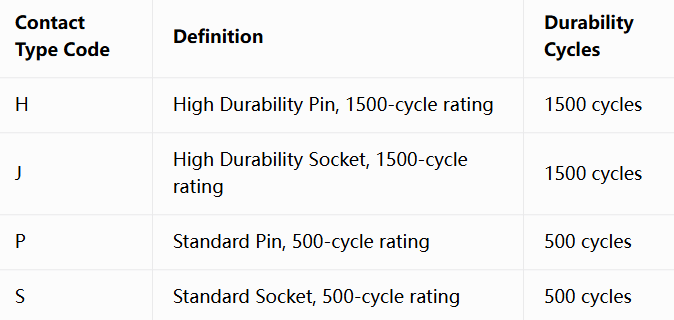
This means: durability rating is not a property of the connector as a whole, but a “gene” carried by each individual contact. All contacts within a connector must have the same durability rating — you cannot mix P-type and H-type contacts in the same connector.
1.3 The Shell’s “Bonus”
Beyond contact type, shell material also directly impacts durability. Amphenol explicitly states: connectors with composite shells have a minimum mating durability of 1,500 cycles, while other shell materials are rated at 500 cycles.
MIL-DTL-38999 Series III composite connectors also offer 1,500 mating cycles of durability. This means choosing a composite shell is not just a lightweighting consideration — it’s also a durability upgrade.
500 vs 1,500:Where Does the Gap Come From?
2.1 Differences in Contact Design
The core gap between 500 and 1,500 cycles starts with contact design.
Standard Contacts (500 cycles): Use conventional gold plating thickness and elastic structure design, capable of meeting MIL-DTL-38999’s minimum durability requirements. Under normal operating conditions, 500 cycles are sufficient to cover the lifecycle needs of most equipment.
High-Durability Contacts (1,500 cycles): Enhanced in the following areas:
Thicker gold plating: Thicker gold means slower wear rate
Optimized elastic materials: Higher-performance copper alloys with longer fatigue life
Optimized contact geometry: Better pin-to-socket fit design, reducing friction loss per cycle
Finer surface finish: Lower initial friction coefficient, extended life
2.2 The “Durability Bonus” of Composite Shells
Composite shells can achieve 1,500-cycle durability — not because the composite material itself is more wear-resistant, but because the coupling mechanism design of composite shells is superior.
Composite shells feature thicker walls and larger coupling surface areas, increasing the strength and impact resistance of the coupling system. A stronger coupling structure means less wear on the shell and threads per mating cycle, thus extending overall life.
Additionally, composite shells are typically paired with 1,500-cycle durability contacts, together forming a “high-durability package”.
Is 500 Cycles Enough? — Scenario-Based Analysis
When 500 Cycles Are Sufficient
Single-deployment equipment: Missiles, rockets, disposable UAVs, etc., may only require a few to a dozen mating cycles throughout their entire lifecycle. 500 cycles are more than sufficient.
Fixed-installation equipment: Modules installed inside chassis that are not frequently removed may only be mated a few dozen times during service.
Cost-sensitive projects: When budgets are limited and actual mating frequency is low, the 500-cycle version is an economically sound choice.
When 1,500 Cycles Are Necessary
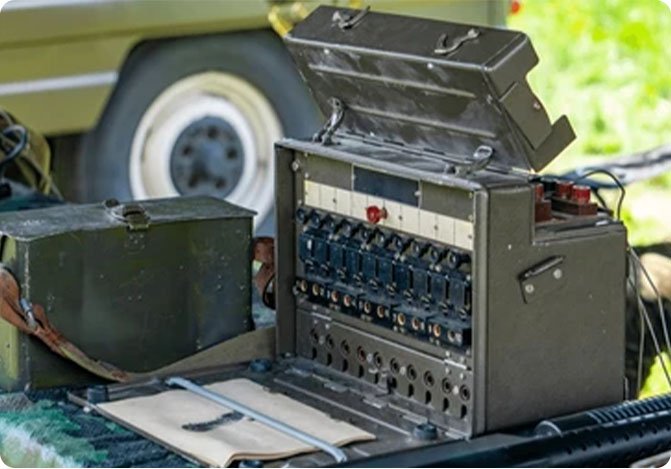
Line Replaceable Units (LRUs): In combat or exercises, damaged modules need to be quickly replaced in the field. Frequent removal and installation mean connectors may be mated dozens or even hundreds of times within a month.
Test and validation equipment: In ground testing, connectors may be repeatedly mated thousands of times. The 1,500-cycle high-durability version is standard in laboratories and test facilities.
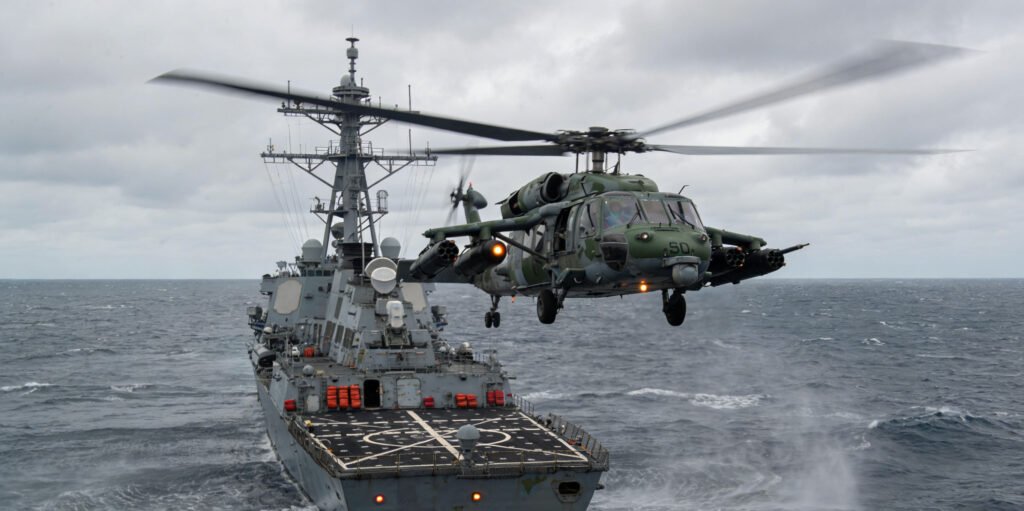
Long-service aerospace platforms: Fighters, transport aircraft, helicopters, etc., have service lives of 30–50 years. During this period, avionics upgrades and maintenance may involve hundreds of mating cycles. 1,500 cycles provide a more generous life margin.
Composite lightweighting requirements: If the project has already selected composite shells for weight reduction (weight savings of 17%–70%), then 1,500-cycle durability is a “bonus”.
Test Methods:How Is 1,500 Cycles Validated?
MIL-DTL-38999 specifies rigorous durability test methods. Connectors must complete the specified number of mating cycles under defined test conditions without any defects that would affect normal operation.
Test conditions include:
Ambient temperature: Typically conducted across the extreme temperature range of -65°C to +200°C
Mating/unmating rate: As specified in the standard
Contact resistance monitoring: Measured after each cycle to ensure it does not exceed specified limits (typically ≤8mΩ)
Visual inspection: Check for wear, corrosion, or other damage to contacts
Only connectors that pass all tests can be marked as conforming to MIL-DTL-38999 durability requirements.
Notably, Amphenol’s Composite Tri-Start connectors are qualified to MIL-DTL-38999 Rev. J, with their 1,500-cycle durability verified under test conditions referencing connector coupling cycles (rather than contact termination cycles).
Selection Decision Guide:How to Choose the Durability Rating?
Q1: What is the expected mating frequency of the equipment?
Lifecycle < 200 cycles → 500 cycles sufficient
Lifecycle > 300 cycles → 1,500 cycles recommended
Q2: Does the equipment use composite shells?
Yes → 1,500 cycles are standard (no additional cost)
No → Need to confirm if contacts are high-durability type
Q3: Is the equipment a frequently maintained LRU?
Yes → Strongly recommend 1,500 cycles
No → 500 cycles may be sufficient
Q4: Cost vs. life trade-off?
Initial cost priority → 500 cycles
Lifecycle cost priority → 1,500 cycles (reduced replacement frequency)
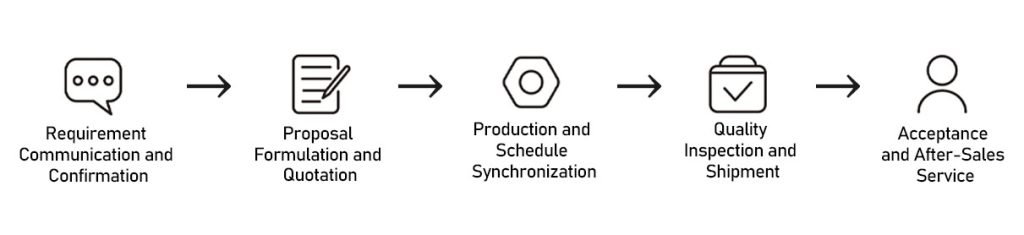
Submit your project requirements
500 or 1,500 cycles? Our product line covers both durability ratings, and all are available with RoHS-compliant plating options (Black Zinc Nickel / Electroless Nickel), ensuring your products enter the European market smoothly.
Contact us now, and let military-grade reliability safeguard your systems!
Recent Posta
Field Maintenance of M83513: How to Quickly Replace Contacts? Our

38999 vs MIL-C-83513: Circular vs Micro-Rectangular Our Products Two Shapes,
Salt Spray Resistance of MIL-C-26482: A Complete Guide to Plating
Get Quote of Connectors