

Field Maintenance of M83513: How to Quickly Replace Contacts?
Field Maintenance of M83513: How to Quickly Replace Contacts? Our
From Interface to Core Wire: Deciphering the Source of Outstanding
Performance in Mil Spec Electrical Connectors
How can a small electrical connector ensure the absolute reliability of military systems in harsh environments characterized by strong vibrations, extreme temperatures, and electromagnetic interference? Behind this lies an unknown technical mystery.
The outstanding performance of
Mil Spec Electrical Connectors is no accident.
In modern military systems, although electrical connectors may seem insignificant, they are crucial components that ensure the reliable operation of various types of equipment. From the avionics systems of fighter jets to the portable communication devices of soldiers, and from the guidance systems of missiles to the radar devices of ships, military-specification electrical connectors maintain stable transmission of signals and power in extreme environments.
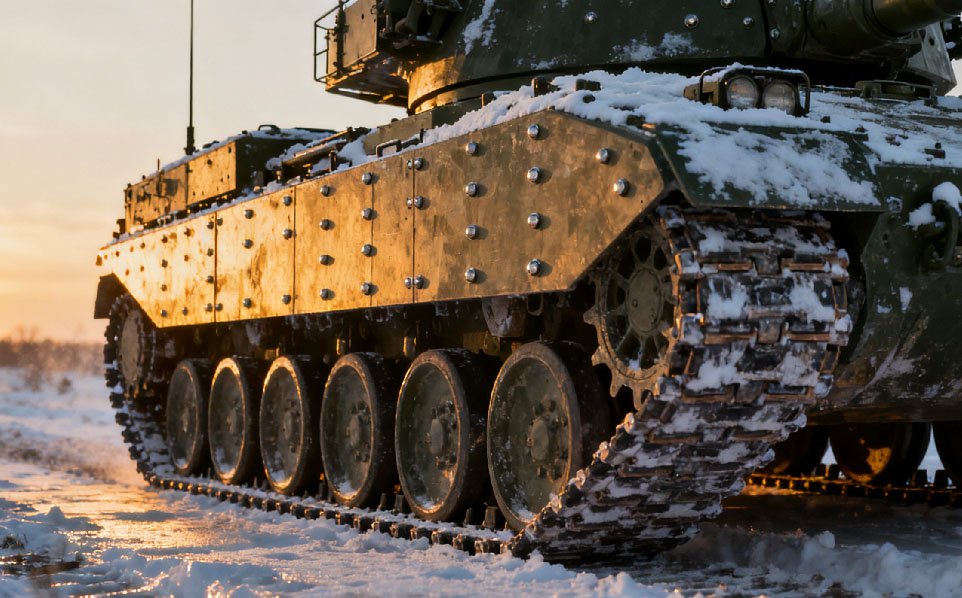
Why can civilian connectors not meet military requirements?
Military environments impose extremely stringent requirements on Mil Spec Electrical Connectors. On the battlefield, connector failures can lead to communication disruptions, weapon system malfunctions, and even casualties, making reliability the primary consideration.
Military equipment often faces harsh conditions such as strong vibration and shock, extreme temperatures, humidity, and salt spray, all of which can cause severe impacts on electrical connectors.
Taking aircraft as an example, the vibration and shock experienced during takeoff, maneuvering, and landing are sufficient to cause momentary disconnection or complete failure of ordinary connectors.
Military-specification connectors ensure stable connections even in such environments through special designs. For instance, the CY43 series electrical connectors adopt highly reliable hyperbolic wire spring holes, which are specifically engineered for high-vibration and high-shock environments.
The service life requirements for military connectors are also far higher than those for civilian products. For example, the mechanical life of ordinary electrical connectors is required to reach 1,000 mating cycles, while electrical rotary connectors even need to achieve a rotational life of 10 million revolutions—these indicators are almost unthinkable in the civilian field.

Interface Design:
The Engineering Art of Rugged Enclosures and Precision Mating
The interface design of military connectors serves as the first line of defense to ensure their reliability. These connectors typically adopt metal enclosures and precision mating mechanisms to withstand the harshest physical environments.
The MIL-DTL-38999 Series III connectors are typical representatives. They adopt a triple-lug bayonet coupling mechanism, which maintains connection stability in high-vibration environments and prevents accidental disconnection.
Locking Mechanism:
The diversity of locking mechanisms is another feature of military connectors. In addition to bayonet coupling, there are various options such as threaded coupling and push-pull coupling.
For example, the CY43 series electrical connectors adopt multiple fixing methods including threaded guide pins and guide sleeves with locking functions, as well as riveted threaded fastening, ensuring that the connectors do not loosen in vibrating environments.
Polarization and Keying Design:
Polarization and keying designs are also crucial details that cannot be overlooked in military connectors. These designs ensure that connectors can only be mated in the correct way, preventing equipment damage caused by incorrect insertion.
Although the J30J series micro-rectangular electrical connectors are compact in size, they still achieve this function through precise keying designs, ensuring connection accuracy in limited space.
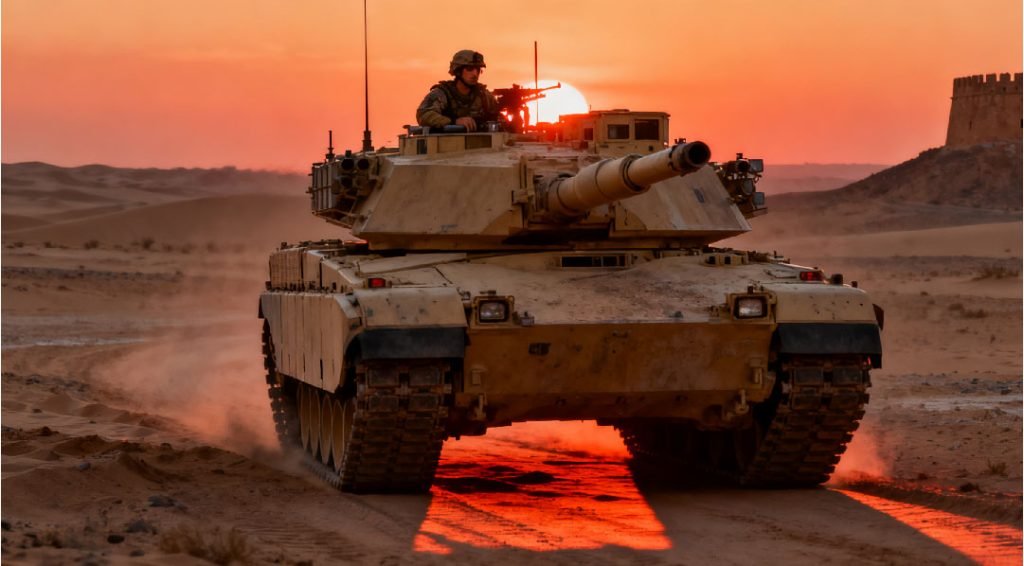
Mil Spec Electrical Connectors Core Wire Contact:
The Methodology for Milliohm-Level Resistance Control
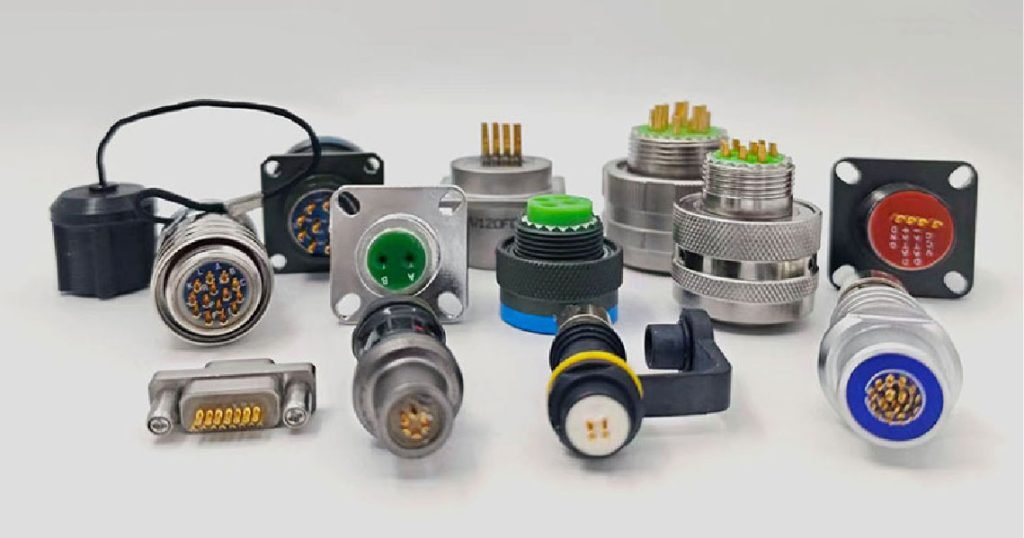
The core function of a connector is to establish a reliable electrical path, and the design and material selection of the contact elements directly determine the connector’s electrical performance.
• Contacts Φ0.76mm → ≤10mΩ
• Contacts Φ0.1mm → ≤4.5mΩ
• Contacts Φ1.5mm & 16# → ≤2.5mΩ
Military connectors have strict requirements for contact resistance. Taking the CY43 series as an example, contact elements of different diameters have different contact resistance requirements:
These seemingly tiny resistance values play a crucial role in high-current applications or precision signal transmission.
Environmental Adaptation of Mil Spec Electrical Connectors
Comprehensive Protection from the Deep Sea to Outer Space
Military equipment may operate in a wide range of environments, from the deep sea to high altitudes, and from deserts to polar regions. This requires electrical connectors to have comprehensive environmental adaptability.
Temperature Adaptability
Temperature adaptability is a fundamental requirement for military connectors. Most military-specification connectors have an operating temperature range of -55°C to 125°C, while some special models, such as the MIL-DTL-26500 connector, can even function in extreme temperatures ranging from -65°C to 200°C.
Sealing Performance
Sealing performance is crucial for military equipment used in field environments. Many military connectors have an IP65 protection rating or even higher, which can effectively prevent dust ingress and water penetration.
Corrosion Resistance
Corrosion resistance is also a crucial indicator for military connectors. The J30J series connectors can pass a 96-hour salt spray test, which proves that they can work reliably for a long time even in a marine salt spray environment.
Innovative Technologies: Future Development Directions of Mil Spec Electrical Connectors
The technology of military connectors continues to evolve and innovate to meet the increasingly complex military requirements.
High-density design is one of the obvious trends. As military electronic equipment becomes more powerful in functionality and smaller in size, connectors also need to provide more contact points within a smaller space.
The J30J series of micro-rectangular electrical connectors have achieved a high-density layout with a 1.27mm pitch, offering connection capability of up to 144 cores in a miniature size—something unimaginable with traditional connectors.
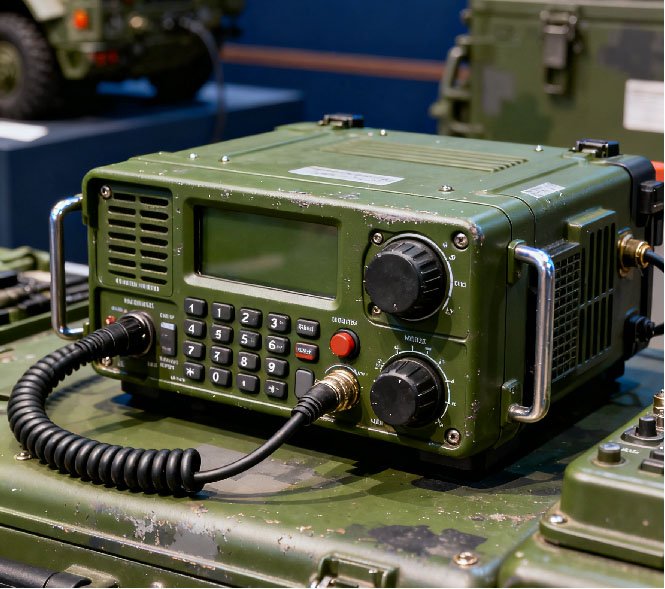
Choose Proven Mil Spec Electrical Connectors for Your Mission-Critical Systems
If your project is facing the challenges of harsh environments, our connector solutions may be exactly the answer you are looking for.

• The operating temperature of the full product series ranges from -65℃ to 200℃.
• The contact resistance is stably controlled at the milliohm level.
• The sealing performance can reach IP68 rating, withstanding deep water and sand/dust.
• The mechanical service life exceeds 5,000 mating cycles, far surpassing the basic standards.
Contact us now to obtain customized connection solutions and technical documents. Let our connectors become the “link” that never loosens in your system.
Recent Posta
Field Maintenance of M83513: How to Quickly Replace Contacts? Our

38999 vs MIL-C-83513: Circular vs Micro-Rectangular Our Products Two Shapes,

Salt Spray Resistance of MIL-C-26482: A Complete Guide to Plating
Get Quote of Connectors