
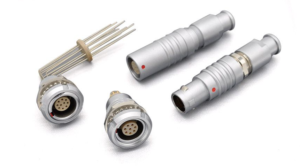
Cleaning and Maintenance of Push-Pull Connectors: Post-Salt-Spray and Post-Sand/Dust Procedures
Cleaning and Maintenance of Push-Pull Connectors: Post-Salt-Spray and Post-Sand/Dust Procedures
How to Select the Right Push‑Pull Series Connector
The Push‑Pull series connectors stand out in applications requiring frequent mating/unmating, limited space, or complex operating environments, thanks to their unique push‑pull locking mechanism. Unlike traditional threaded or bayonet connectors, they achieve efficient and error‑proof electrical connection through a simple “push to connect, pull to disconnect” action.
In the high‑pressure moments of an operating room, doctors need to quickly switch out medical devices; in noisy, field‑test environments, engineers must make cable connections with one hand. Behind these scenarios lies the perfect embodiment of the Push‑Pull connector design philosophy — fast, reliable, and intuitive operation.

Understanding Push‑Pull Technology: Why Choose This Connection Solution?
The core advantage of push‑pull connectors lies in their intuitive operation—push to connect and pull to disconnect. This design is particularly well‑suited for applications that require frequent mating and unmating or where space is limited.
Push-Pull Technology Analysis: The Implementation Principles of Quick Connection
Understanding the operating principle of Push‑Pull connectors is fundamental to making the right selection. At the core of this connector is its built‑in mechanical self‑locking mechanism.
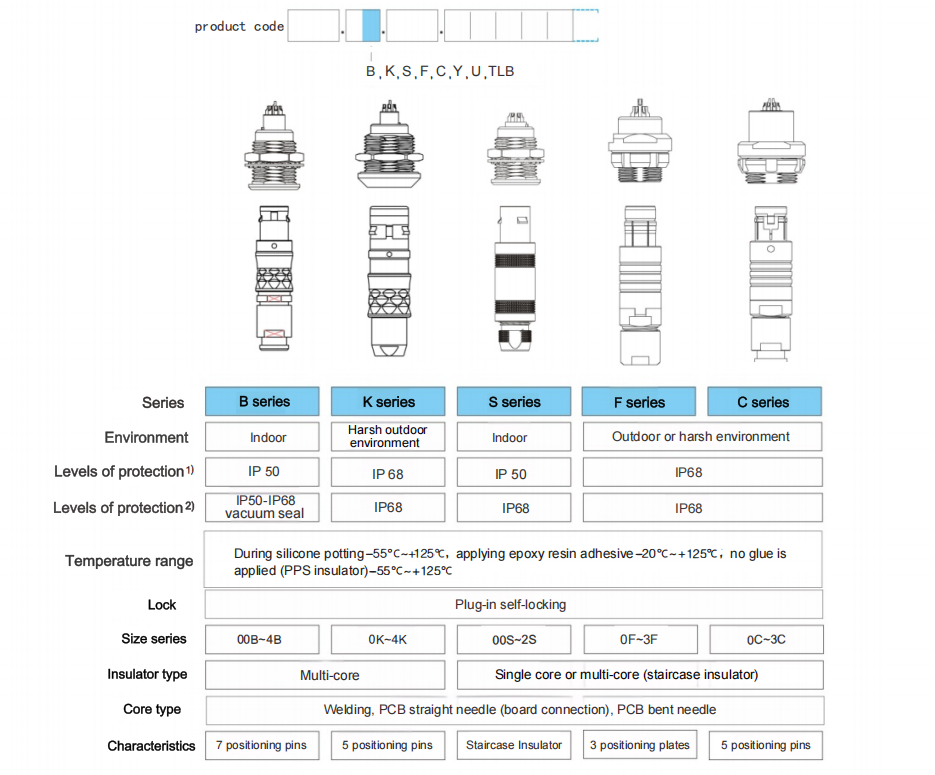
Step 1: Select the correct series of connectors
Select the appropriate HangLong connector series based on environmental parameters.Environmental parameters refer to factors affecting your equipment or cables, such as indoor/outdoor conditions, tempe rature, and protection requirements for connectors and devices.
Step 2: Select the correct size of connector
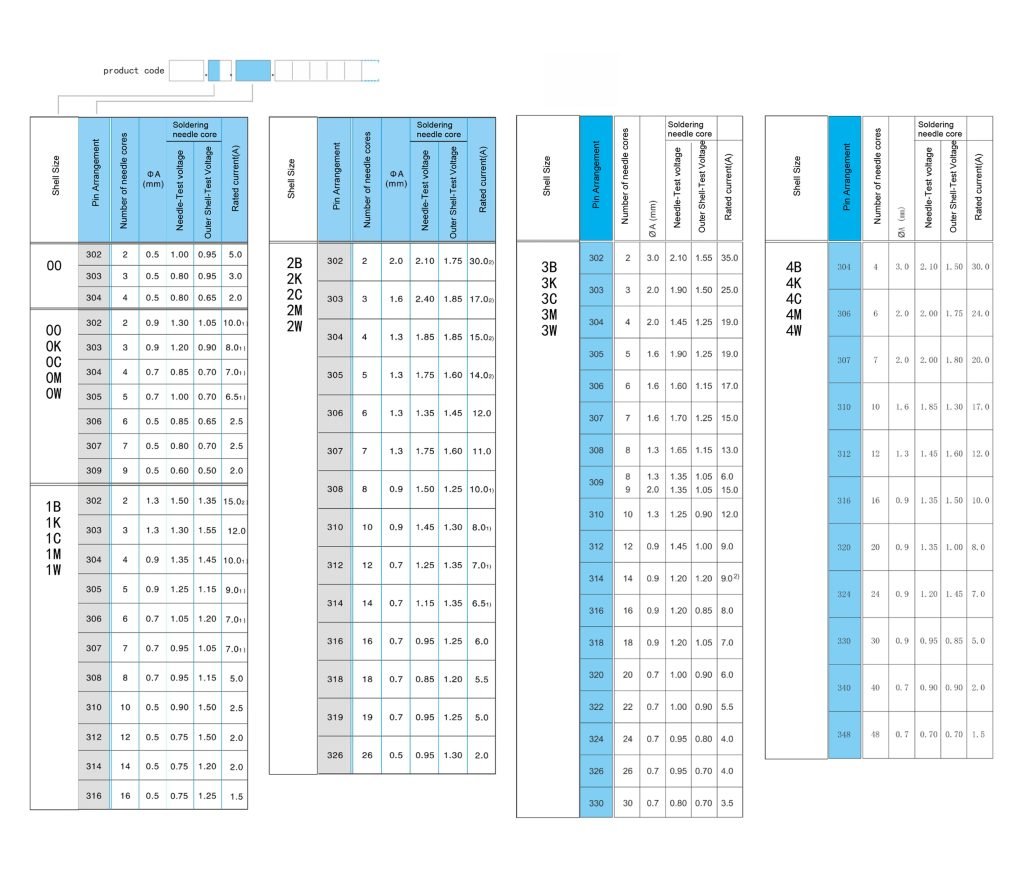
Select the most appropriate pin core diameter according to the cross-sectional area (mm²) or wire size (AWG) of the cable core wire (the most appropriate pin core diameter varies depending on different pin core types such as welding, crimping or printed board connection).
Step 3: Determine the complete product number
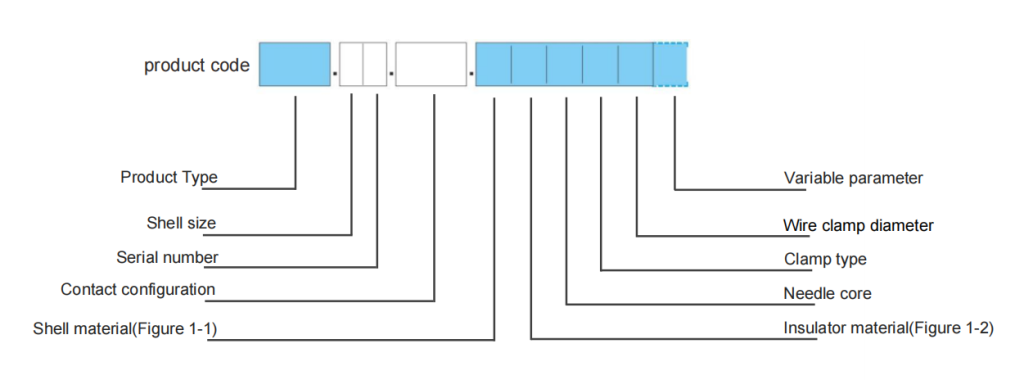
Now that you’ve identified the connector series and pin configuration, you can complete the full product number using the table below.
Application Scenario Selection Guide
Selecting the right push‑pull connector is a process that balances multiple requirements. From electrical parameters to mechanical characteristics, from environmental adaptability to practical installation, every aspect needs careful consideration. It is recommended to obtain samples for actual testing before making a final decision to ensure that the connector performs as expected under real‑world operating conditions. Remember, a suitable connector is not only a bridge between components but also a crucial guarantee of equipment reliability.
Recent Posta
Cleaning and Maintenance of Push-Pull Connectors: Post-Salt-Spray and Post-Sand/Dust Procedures

Field Maintenance of M83513: How to Quickly Replace Contacts? Our

38999 vs MIL-C-83513: Circular vs Micro-Rectangular Our Products Two Shapes,
Get Quote of Connectors