

Field Maintenance of M83513: How to Quickly Replace Contacts?
Field Maintenance of M83513: How to Quickly Replace Contacts? Our
Connector mil spec suitable for harsh environments
In the military field, reliability and durability are core requirements for components. As a key part of complex systems, connectors may cause system damage if they fail. This article will provide guidance on the selection of military-standard connectors and help you clarify their importance as well as the core consideration parameters.
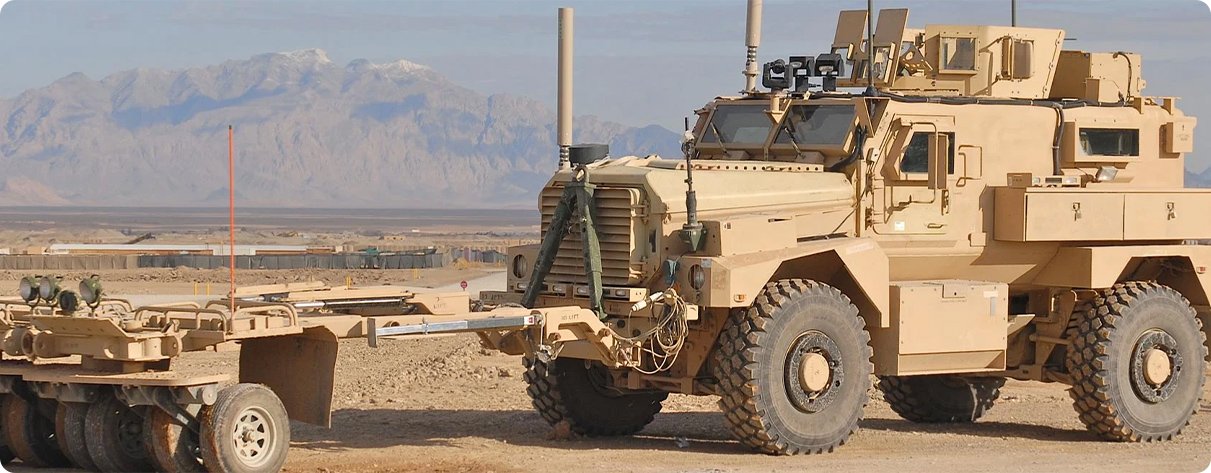
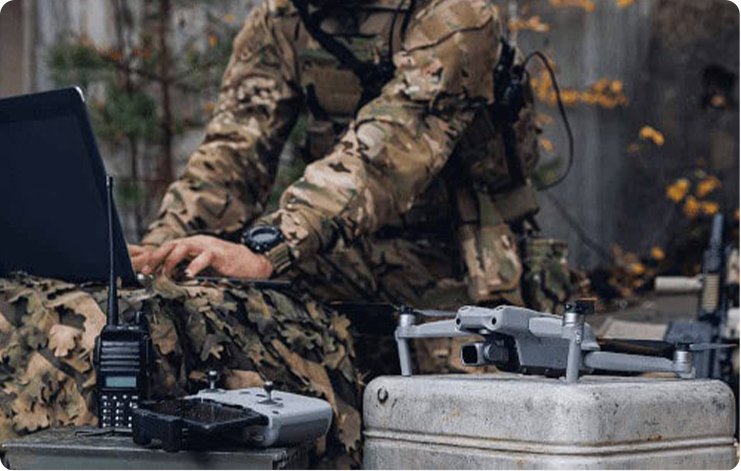
Extreme
temperatures
Vibration
and shock
Electromagnetic
interference (EMI)
Understanding Military Standards
Military specification (MIL-SPEC) connectors are carefully designed, tested, and compliant with strict military standards. They are engineered to withstand extreme temperatures, humidity, vibration, and shock, adapting to harsh environments. Their certification involves rigorous testing procedures to ensure compliance with relevant standards.
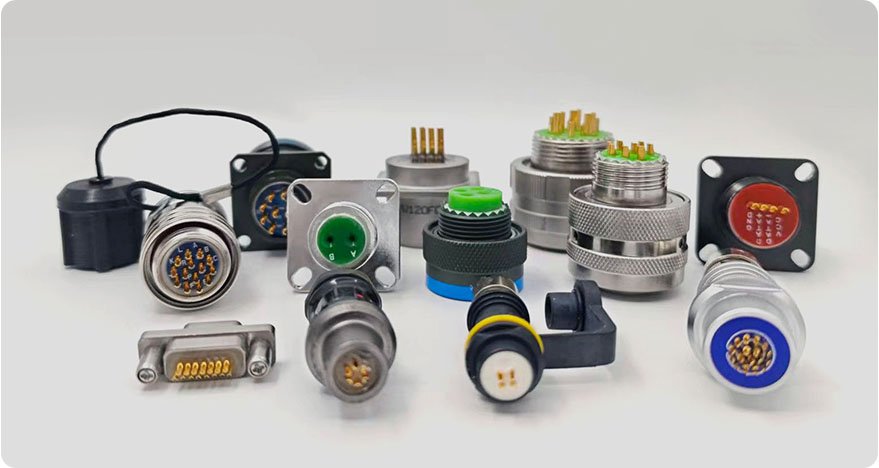
Types of
connector mil spec
There is a wide variety of MIL-SPEC connectors, each designed for specific applications and environmental conditions.
Circular connectors are a common type of connector. Due to their versatility and robustness, they are widely used in the military field. Featuring a circular design, they have multiple pins enclosed in a sturdy housing and exhibit excellent environmental adaptability, making them an ideal choice for aerospace and defense systems. Their characteristic of being easy to plug and unplug is particularly crucial in on-site environments where quick connection/disconnection is required.

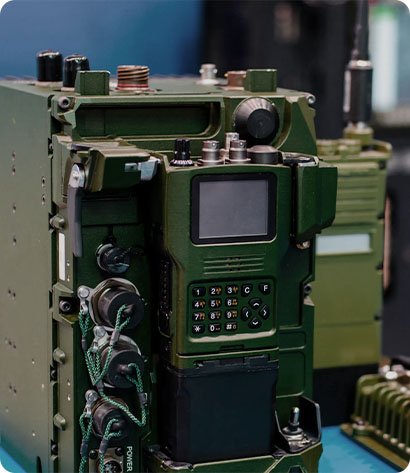
Rectangular connectors can accommodate more pins in a more compact space, making them an ideal choice for dense circuit layouts. These connectors also offer a variety of pin configuration options to meet specific circuit requirements. Their robust design ensures they maintain integrity even in harsh military environments.
When choosing a connector, consider key attributes: size, weight, and mating cycle life. Each military application has unique priorities, so evaluate which connector delivers optimal performance.
How to Choose the Right Connector MIL Spec?
● Connector configuration, are there any compatibility restrictions?
● In what kind of environment will the connector work?
● Are there any requirements for the material, size, and weight of the connector?
Configuration
and Compatibility
Selecting military-standard connectors requires understanding their configuration and compatibility,the key factors for success. Configuration impacts how easily components connect/disconnect and their resistance to environmental stress. Electrical compatibility is critical too: voltage, current ratings, and pin configurations must align with the connected equipment’s environmental grades and electrical requirements.
Environmental Factors
Connectors must be sufficiently robust and durable to withstand the erosion of various extreme temperatures, high humidity, salt spray, and chemical reagents. Considering these environmental factors during the selection process not only ensures compliance with military standards but also enhances the durability and reliability of military applications.
When these connectors operate normally under harsh conditions, they will directly contribute to the success of the mission and provide critical support when it is most needed.
Product Specifications
Size and weight constraints are crucial to ensure that the connector can fit into the space reserved for it in the equipment. Measuring these parameters helps select the appropriate connector based on the specific dimensions of the installation location, thereby avoiding potential installation difficulties in the future.
Furthermore, in terms of weight requirements, the use of lightweight materials is essential. This not only enhances mobility and efficiency during military operations but also reduces weight, which is of crucial importance.
Key Specifications for Selection
• Number of Contacts: The number of conductive elements in a military connector.
• Contact Type: Pins or sockets
• Coupling Type: Bayonet, threaded, push/pull (ball detent), breech lock, and spring rack or quick connect.
• Contact Size (AWG): Differentiated using American Wire Gauge (AWG)
Connector MIL Spec Features for Demanding Environments
• Integrated Filter/Magnetics: protection against unwanted signals or magnetics for filtering, signal conditioning, or isolation.
• Underwater Use: sealing for underwater applications without internal moisture leakage.
• Hermetically Sealed: ensures no internal moisture leakage.
• EMI or RFI Filter/ESD Shield: includes a filter to eliminate electromagnetic interference (EMI) or radio frequency
interference (RFI), and/or shielding to prevent electrostatic discharge (ESD).
• Environment Resistant: capable of withstanding various environmental challenges, including exposure to
chemicals, sunlight, dirt, etc.
Why Choose Our
Connector MIL Spec ?
Meeting stringent performance and compliance requirements is an inevitable choice for high-reliability scenarios.
Whether you are in the aerospace, defense, industrial automation, or medical technology industry, procuring high-quality military-specification connectors ensures the ultimate integrity of your systems.
Choosing our military-specification connectors means more than just purchasing a connecting component—it is an investment in system reliability and mission success rates.
Contact us now, and let military-grade reliability safeguard your systems!
Recent Posta
Field Maintenance of M83513: How to Quickly Replace Contacts? Our

38999 vs MIL-C-83513: Circular vs Micro-Rectangular Our Products Two Shapes,
Salt Spray Resistance of MIL-C-26482: A Complete Guide to Plating
Get Quote of Connectors