
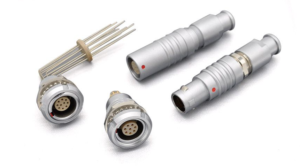
Cleaning and Maintenance of Push-Pull Connectors: Post-Salt-Spray and Post-Sand/Dust Procedures
Cleaning and Maintenance of Push-Pull Connectors: Post-Salt-Spray and Post-Sand/Dust Procedures
How to Select the Right Model in the MIL-DTL-38999 Series
The MIL-DTL-38999 series is a high-performance circular connector standard widely used in military and aerospace fields, renowned for its excellent environmental sealing, mechanical strength and electrical performance. Faced with the numerous models, configurations and options of this series, how to make the right model selection?
Understanding the 38999 Series
The MIL-DTL-38999 series are circular connectors designed in accordance with U.S. military specifications, which are mainly divided into four primary subseries:
1.Series I (Standard Type): As the earliest design, it adopts a triple-start thread coupling mechanism, provides quick connect and disconnect functions, and is the most widely used type.
2.Series II (Push-Pull Type): It enables quick connection and disconnection without rotation, and is suitable for space-constrained scenarios or applications requiring rapid operation.

3.Series III (Miniature Type): Designed for weight and space-sensitive applications, it retains high performance while featuring a more compact size.
4.Series IV (Lightweight Type): With a further optimized lightweight design, it is suitable for aerospace applications with extremely high weight requirements.
Understanding these basic classifications is the first step in model selection, which will help you narrow down the range of options and focus on the subseries that suit your application requirements.
Key Model Selection Parameters and Steps
Step 1: Determine the Environmental and Performance Requirements

Step 2: Electrical Requirement Analysis
Step 3: Selection Guide for Different Models
MIL-DTL-38999 Series I Connectors
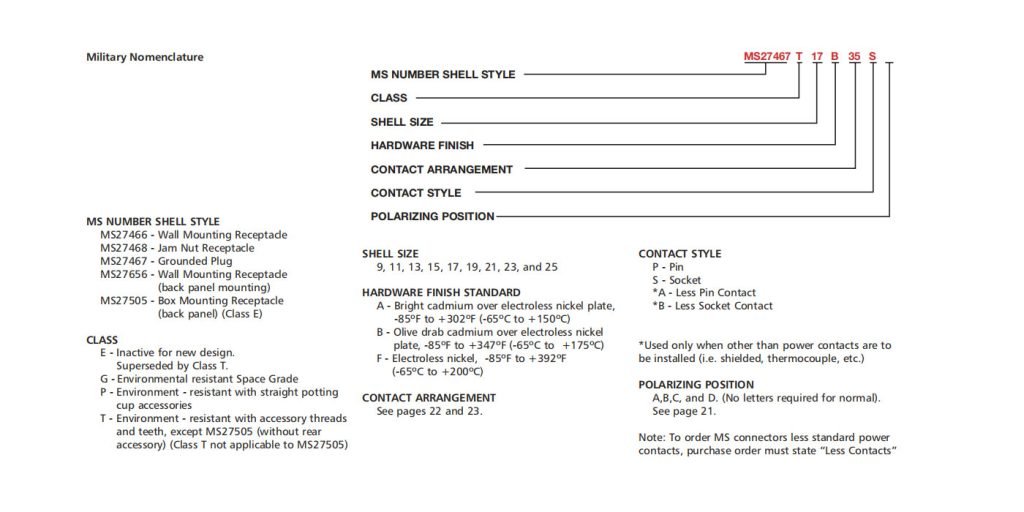
MIL-DTL-38999 Series II Connectors
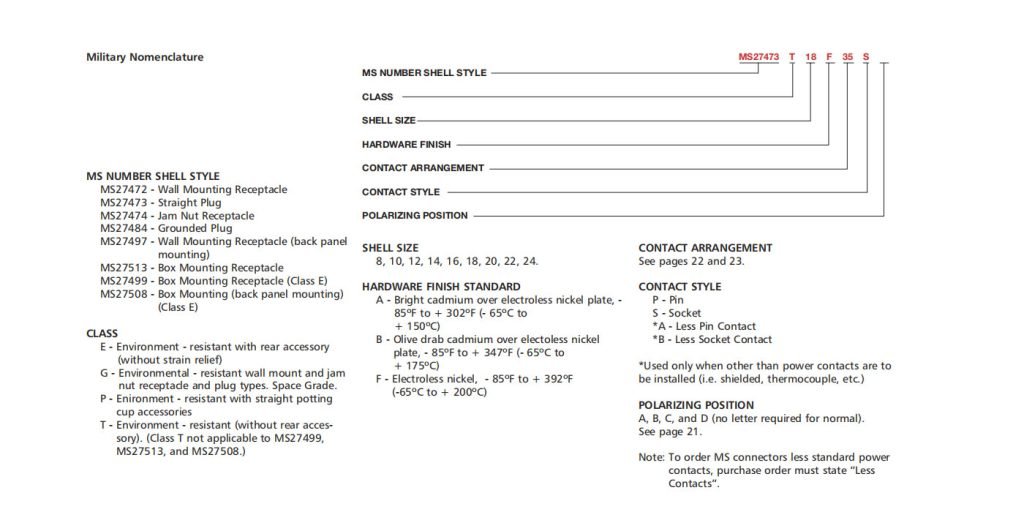
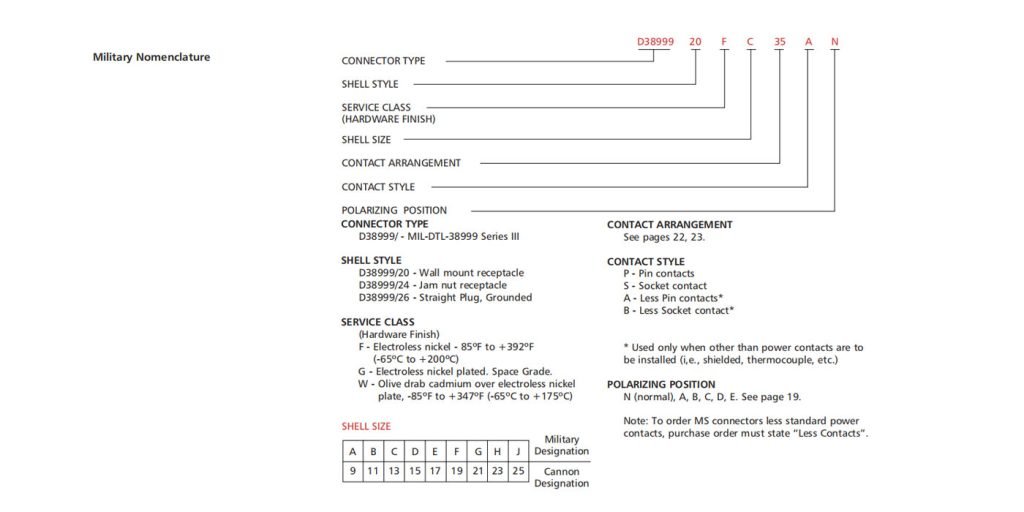
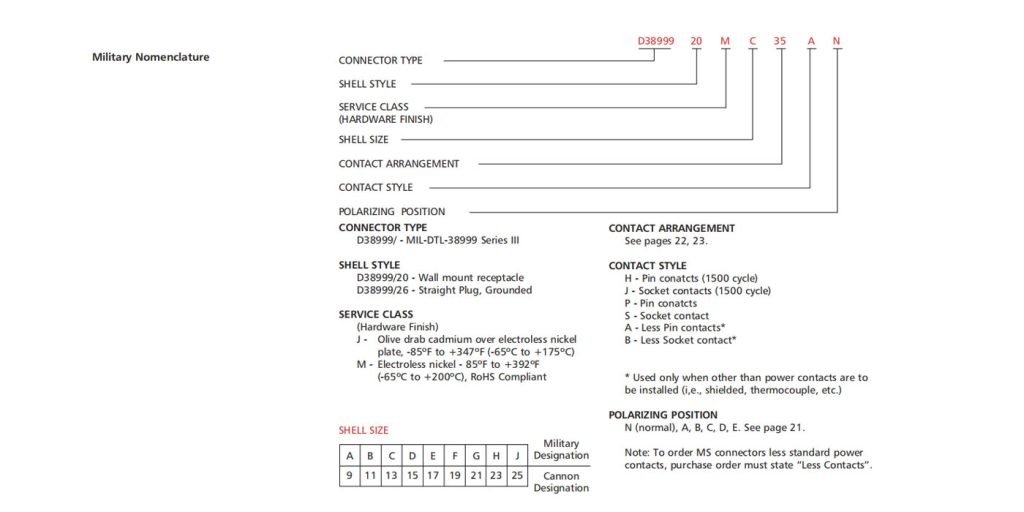
MIL-DTL-38999 Series III Connectors
MIL-DTL-38999 Series III Composite Connectors
Step 4: Selection of Mechanical Characteristics
Common Selection Mistakes and Avoidance Methods
Recent Posta
Cleaning and Maintenance of Push-Pull Connectors: Post-Salt-Spray and Post-Sand/Dust Procedures

Field Maintenance of M83513: How to Quickly Replace Contacts? Our

38999 vs MIL-C-83513: Circular vs Micro-Rectangular Our Products Two Shapes,
Get Quote of Connectors