

Field Maintenance of M83513: How to Quickly Replace Contacts?
Field Maintenance of M83513: How to Quickly Replace Contacts? Our
The Scenario Adaptation Revolution of Military Connectors: From Land, Sea and Air to Unmanned Equipment
Connection is Guarantee, Scenario Adaptation Determines the Combat Capability of Military Equipment
Scenario Adaptation
is the core competitiveness
of military connectors
The adaptation revolution of military connectors is essentially the deep integration of technological innovation and combat operational needs. From shock resistance and sandproofing on land to radiation resistance and temperature difference tolerance in space, and from the high reliability of manned equipment to the miniaturization of unmanned equipment, every adaptation upgrade directly drives the improvement of equipment combat capability.
As military equipment advances toward intelligence, unmanned operations, and cross-domain integration, connectors will further break through scenario boundaries and achieve a leap from “precision adaptation” to “intelligent empowerment.”
Material Innovation: Fortifying the Foundation of Environmental Tolerance
Metal Materials: Titanium alloy has its temperature resistance range extended to -250℃~+300℃, with strength 40% higher than that of traditional stainless steel; the elastic modulus of beryllium copper alloy contacts reaches 130GPa, and the deformation rate after repeated plug-in/pull-out is ≤0.5%.
Polymer Materials: These materials offer chemical corrosion resistance, capable of withstanding harsh media such as salt spray and engine oil; polyimide composite material has a density of only 1.4g/cm³, achieving a balance between lightweight and temperature resistance (-100℃~+260℃).
Sealing Materials: They maintain sealing performance within the range of -20℃~+200℃, with a compression set rate ≤15%; silicone rubber potting adhesive has a waterproof rating of IP69K, suitable for deep-sea and high-pressure environments.
Targeted breakthrough of
environmental and performance bottlenecks
Rugged Adaptation in Complex Terrain
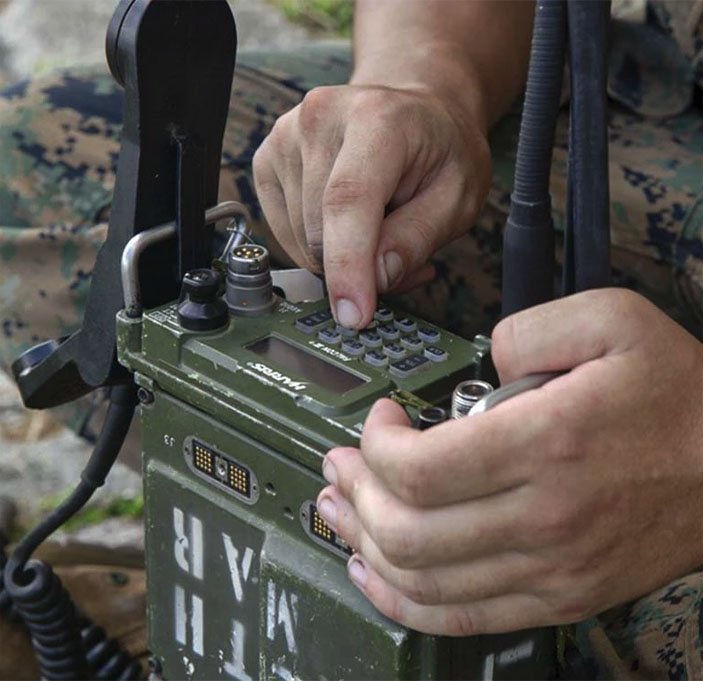
Army equipment
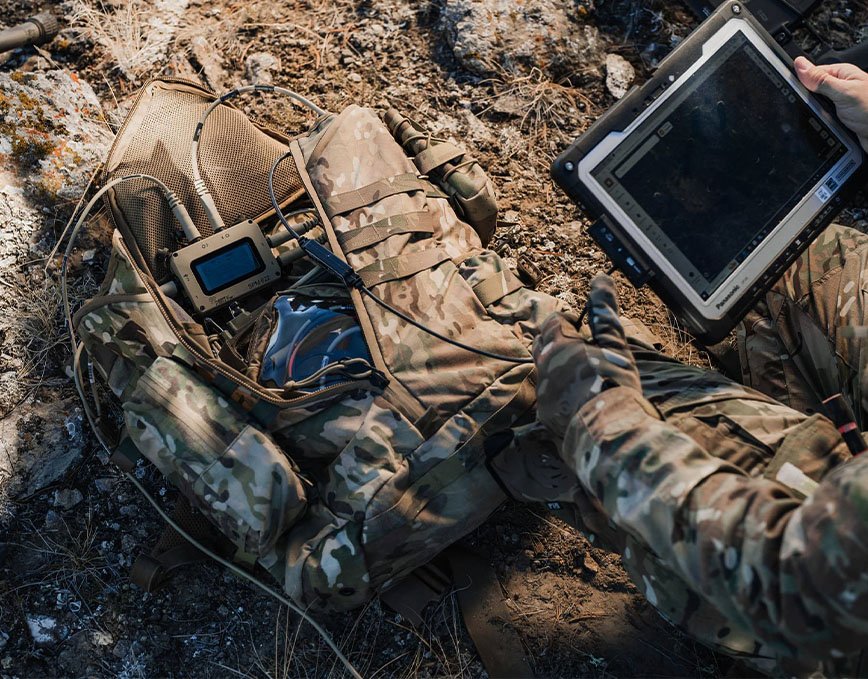
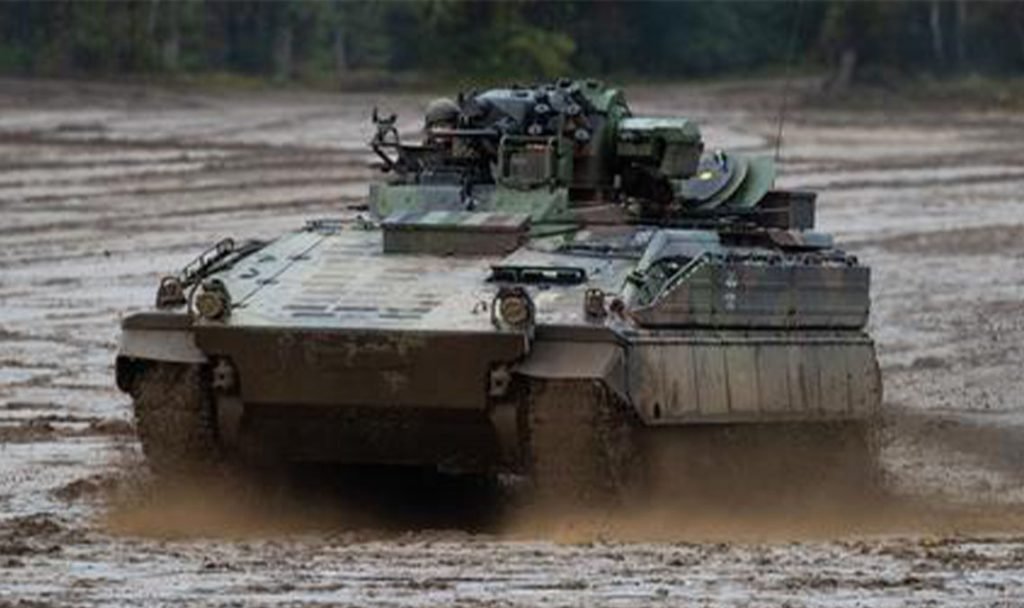
Core Requirements: Shock resistance, sand and dust proofing, resistance to extreme temperatures (-40℃~+85℃), and anti-electromagnetic interference.
Adaptation Technologies: Adopting dual fixation of threaded locking + anti-loosening clips; the housing is made of special aluminum alloy with fluororubber sealing; gold plating on contacts enhances wear resistance and conductive stability.
Typical Applications: Connectors for the fire control system of the Type 99A main battle tank, which maintained no signal attenuation after 100,000 plug-in/pull-out tests; connectors for the communication module of a certain type of wheeled armored vehicle, which withstood continuous sand erosion for 30 days without failure during desert exercises.
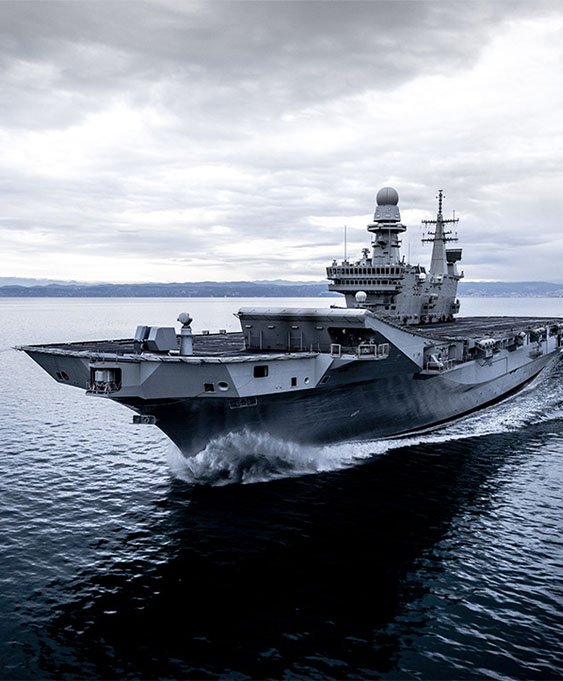
Corrosion Resistance Adaptation in Marine Environment
Naval vessels
Core Requirements: Salt spray resistance (compliant with GJB 150.11 salt spray test standards, with no corrosion after 500 consecutive hours), waterproof sealing, resistance to damp heat (humidity 95%±3%), and mold resistance.
Adaptation Technologies: Contacts adopt gold plating/rhodium plating processes; the housing is sprayed with a polyurea anti-corrosion coating; the sealing structure features a design of double O-rings + potting adhesive.
Typical Applications: Connectors for the shipborne phased array radar of the Type 055 destroyer, which operate long-term in the salt spray environment of the Yellow Sea with an annual failure rate below 0.01%; connectors for the communication equipment of a certain type of submarine, which withstand pressure at a water depth of 300 meters and enable long-distance underwater signal transmission.

“Lightweight + High Reliability” Adaptation in High-altitude Environment
Aviation Equipment
Core Requirements: Lightweight (the weight of a single connector is reduced by more than 30% compared with traditional products), resistance to abrupt pressure changes, radiation resistance, and low signal loss.
Adaptation Technologies: The shell is made of carbon fiber-reinforced composite material; the contacts adopt miniaturized phosphor bronze alloy; the high-frequency connectors feature optimized impedance matching design.
Typical Applications: Connectors for the avionics system of the J-20 fighter jet, with more than 60 customized connectors installed on a single aircraft and a total weight of only 12kg; connectors for the navigation module of the Z-20 helicopter, which achieve zero navigation signal packet loss in high-altitude plateau environments.
“Extreme Tolerance” Adaptation in Space Environment
Space-based Equipment
Core Requirements: Resistance to vacuum cold welding, resistance to cosmic radiation, tolerance to extreme temperature differences (cyclic switching between -200℃~+150℃), and long service life (stable on-orbit operation for over 10 years).
Adaptation Technologies: Contact pairs use gold-indium alloy; the housing adopts a titanium alloy thermally stable structure; sealing employs metal seal rings + glass sintering technology.
Typical Applications: Connectors for the payload interface of Beidou-3 navigation satellites, which have operated on-orbit for 6 years without failure; connectors for the guidance module of a certain type of intercontinental missile, which withstand extreme temperature differences during re-entry into the atmosphere and ensure stable transmission of guidance signals.

“Miniaturization + Low Power Consumption” Adaptation in Intelligent Scenarios
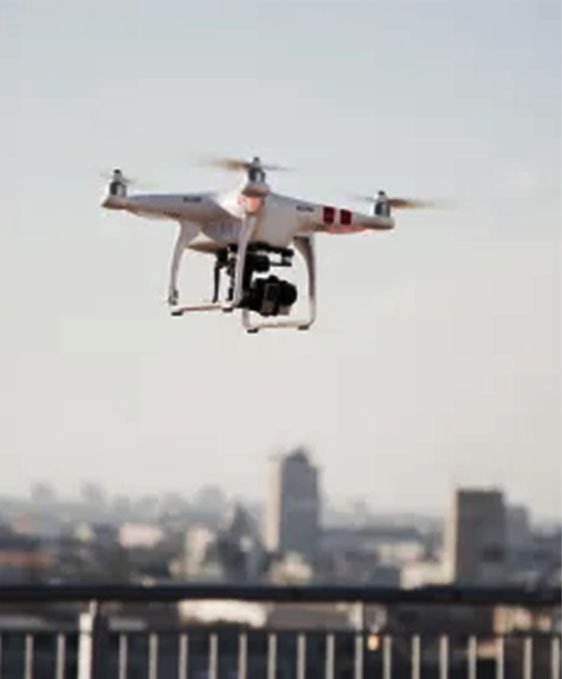
Unmanned Equipment
Core Requirements: Miniaturization (volume reduced by 40% compared with traditional products), low power consumption, quick plug-in/pull-out (plug-in/pull-out time ≤ 3 seconds), and vibration resistance (no loosening at a vibration frequency of 10~2000Hz).
Adaptation Technologies: Adopting miniaturized pin design; optimizing transmission protocols to reduce power consumption; featuring clip-type quick-connect structure + anti-misplug design.
Typical Applications: Mission payload connectors for the Wing Loong-2 reconnaissancestrike integrated UAV, which realize real-time transmission of reconnaissance signals during high-speed maneuvering flight; connectors for the control module of a certain type of unmanned combat vehicle, supporting quick replacement of batteries and mission modules to improve combat deployment efficiency.
Structural Design Upgrade: Balancing Performance and Adaptability
• Modular Design: Adopting a “basic shell + functional module” architecture, a single connector can adapt to 3~5 types of equipment interfaces by replacing different modules, increasing the universalization rate by 50%.
• Integrated Design: Integrating signal transmission (maximum rate of 100Gbps), power supply (maximum current of 50A), and fluid transmission functions into one, reducing the number of equipment interfaces by 30% and lowering installation complexity.
• Anti-misplug and Quick Connection: Using key coding design to prevent mixed insertion of connectors from different modules; the clip-type structure enables 3-second quick plug-in/pull-out, improving the replacement efficiency of mission modules for unmanned equipment.
Choose Our
Military Connectors
Is to choose the core guarantee of scenario precision adaptation + independent and controllable technology + combat-proven reliability
We have delved deeply into full-scenario needs spanning land, sea, air, space, and unmanned equipment. Empowered by specialty material innovation, modular structural design, and intelligent monitoring, we achieve full environmental tolerance—from shock resistance in deserts, corrosion resistance in marine environments, to radiation resistance in space.
We not only provide “connecting components” but also, with the core value of a “neural hub”, fortify the foundation for the upgrading of your equipment’s combat capability, becoming a trustworthy partner in the military industry sector.

Recent Posta
Field Maintenance of M83513: How to Quickly Replace Contacts? Our

38999 vs MIL-C-83513: Circular vs Micro-Rectangular Our Products Two Shapes,

Salt Spray Resistance of MIL-C-26482: A Complete Guide to Plating
Get Quote of Connectors