

Field Maintenance of M83513: How to Quickly Replace Contacts?
Field Maintenance of M83513: How to Quickly Replace Contacts? Our
Choose an appropriate circular mil connector connection method
Available in a wide range of sizes, contact types, and locking mechanisms, find the solution that suits you
For detailed information please contact us
circular mil connector
Circular connectors are among the most common pluggable interfaces in industrial applications. The electrical connections achieved through circular connectors are reliably protected from external influences and can effectively keep out contact, dust, dirt, grease, and moisture
Its range of applications is very wide: sensors, drives and converters, network components, and operating devices are all typical application fields for circular connectors
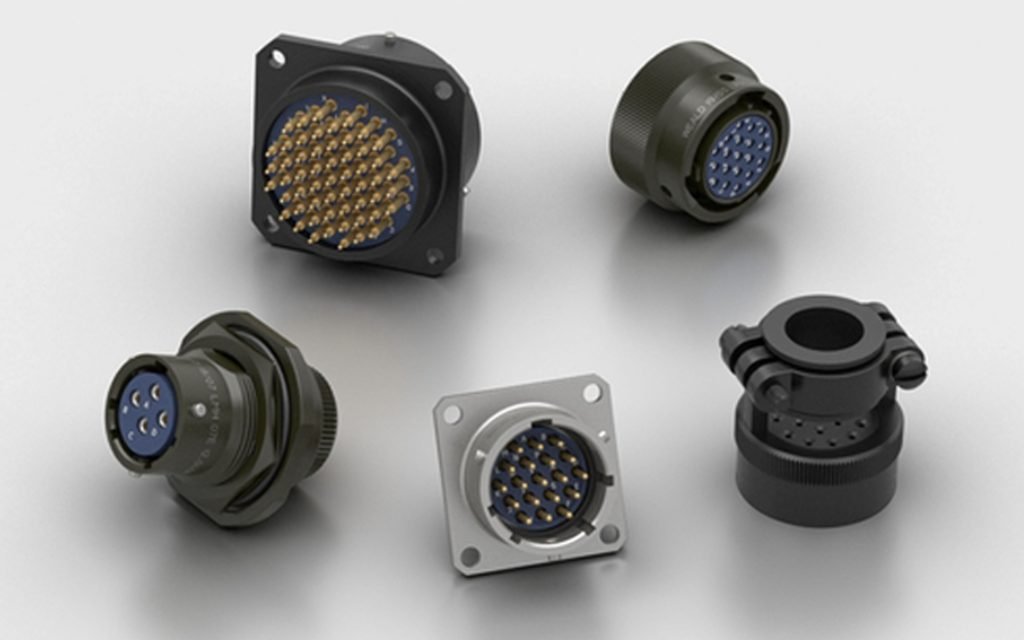

Why are there different connection methods?
It is crucial to ensure a secure connection between connectors. Each coupling method has its unique key characteristics and advantages, which are used to ensure a secure connection in any application scenario. Therefore, selecting the coupling mechanism that suits you is essential to avoid problems
Locking types for circular mil connectors
When selecting which coupler style to use, various factors must be taken into account, including technical requirements, environmental conditions (e.g., vibration, shock, moisture, dust), ergonomics, and the required number of mating cycles
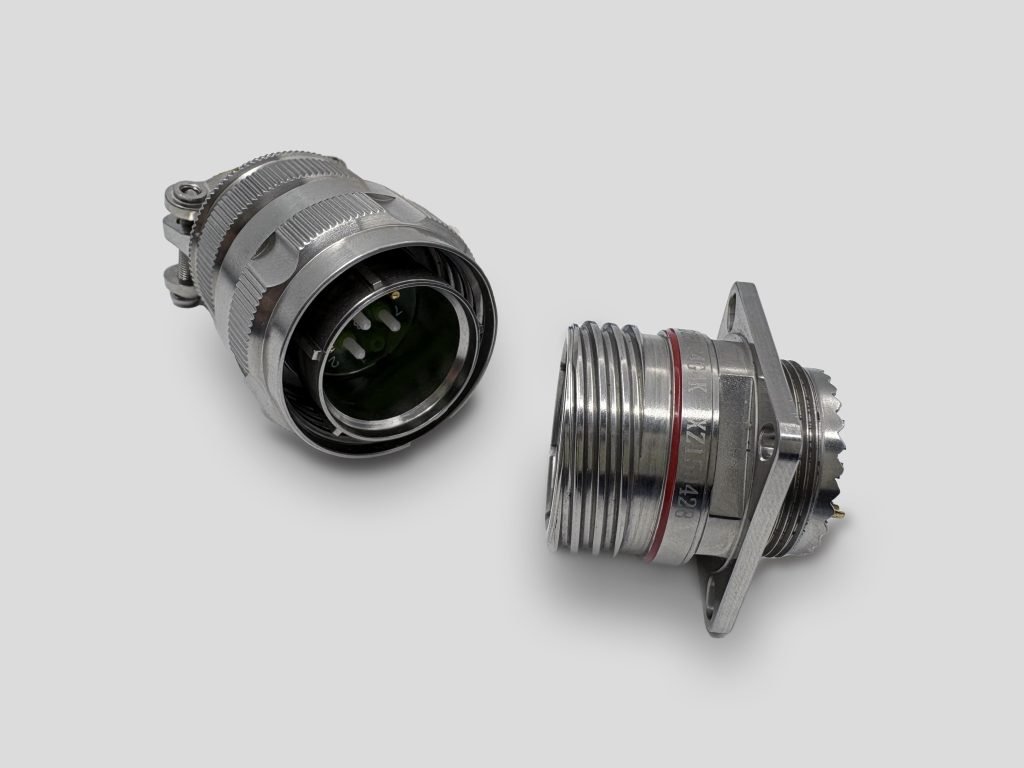
Threaded Connectors
Threaded locking technology makes connectors more resistant to vibration and shock. Even under strong vibration, it ensures secure transmission and endows your connectors with extremely high impact resistance.
• Ensure secure locking under all circumstances
• No accidental unlocking
• High transmission reliability
• Shock resistance and vibration resistance
Bayonet Connectors
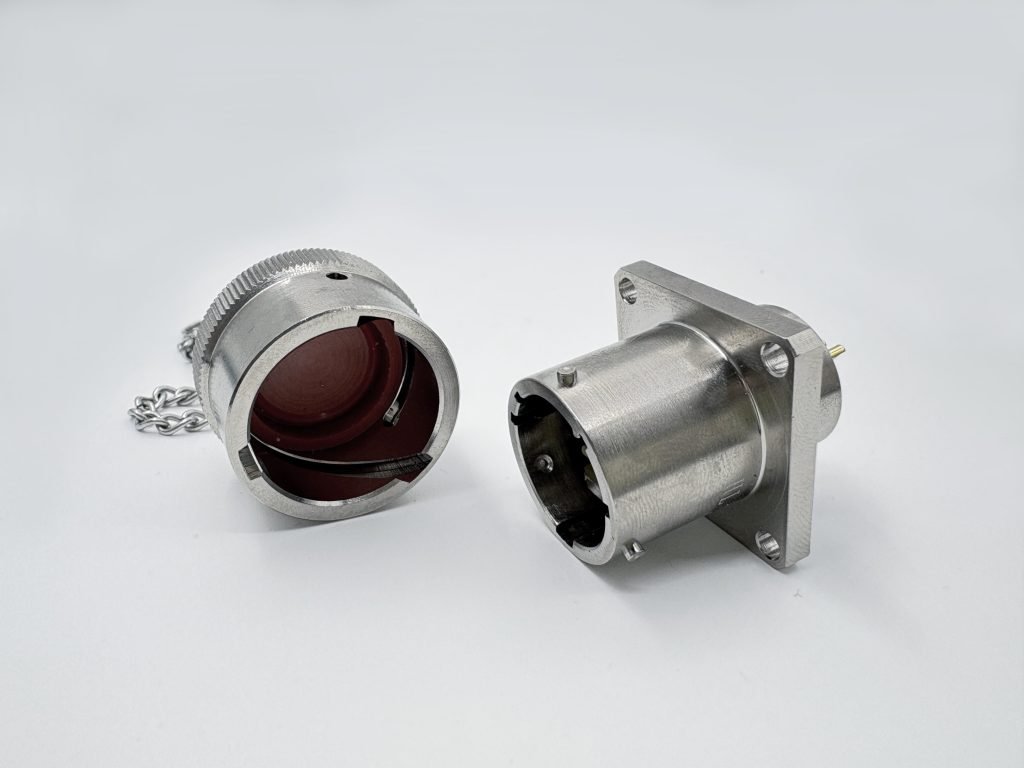
Connection/disconnection can be completed by rotating the connecting ring by just one-third of a turn. The connection is achieved via bayonet pins and beveled surfaces rather than threads
• Simple installation and quick unlocking
• Ideal for blind mating applications
• Reliable data transmission
• Suitable for frequent connection and disconnection
Push-Pull Connectors
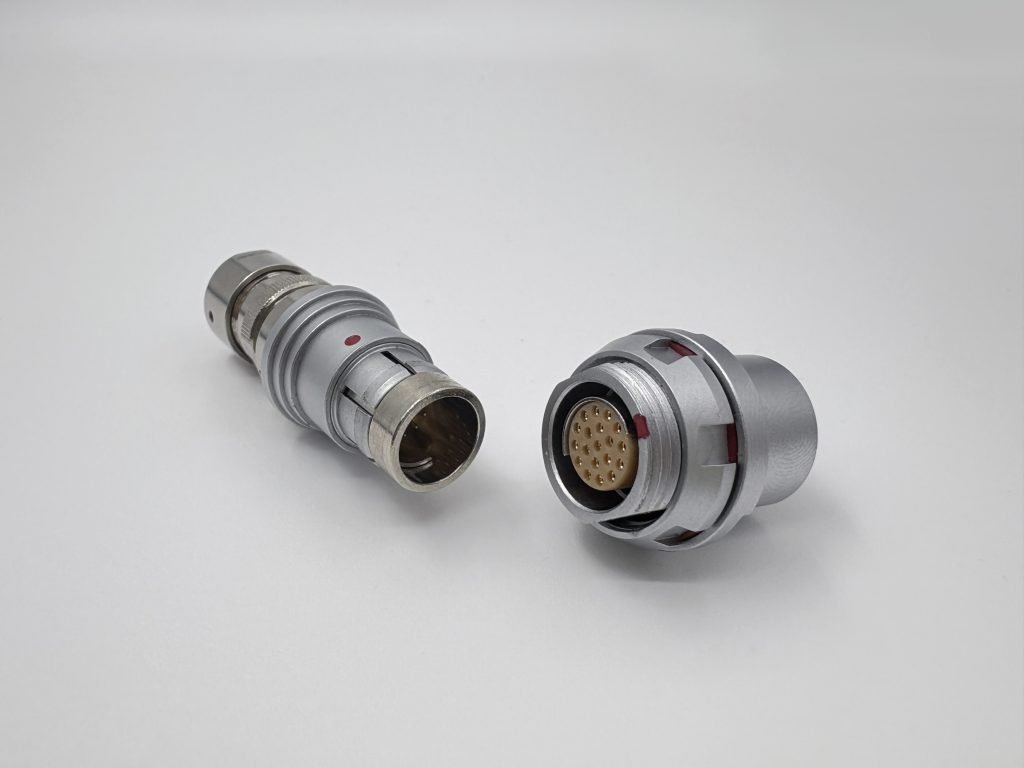
It adopts a self-locking mechanism, which prevents accidental disconnection by pushing the plug and socket inward. Unlike traditional connectors that require rotational force for insertion and removal, push-pull connectors rely on axial force to achieve insertion and removal
• Ensure secure locking under all circumstances
• No accidental unlocking
• Significant space savings
• Shock resistance and vibration resistance
Applicable Environments for Different Connection Methods
Threaded Connectors
This threaded connector adopts a triple-start thread and ratchet coupling, ensuring a secure connection even in high-vibration environments
Widely used in fields such as communication equipment, heavy machinery, military aircraft, and missiles
Bayonet Connectors
It combines three methods:visual, auditory, and tactile, making it ideal for blind mating applications. It is commonly used in industrial sites with harsh environments, high impact, and strong vibration.
Widely used in equipment such as generators, sensors, and engines
Push-Pull Connectors
Circular connectors with push-pull coupling are highly suitable for applications that require extremely high reliability and fast connection/disconnection
Widely used in medical care, instrumentation, soldier-worn devices, communications, and military vehicles
Ordering and Services
We are here to support the ramp-upand success of your products. We engage during the design phase so whenyou’re ready to go to market, we’re ready to support you.
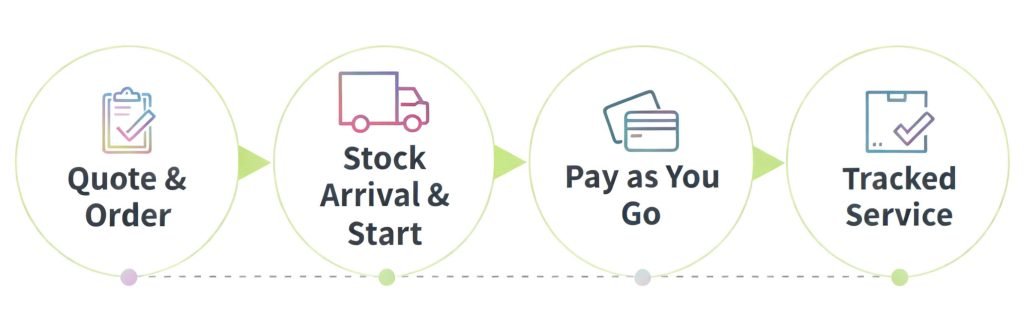
Please contact us immediately to obtain the product information or pricing you need
Recent Posta
Field Maintenance of M83513: How to Quickly Replace Contacts? Our

38999 vs MIL-C-83513: Circular vs Micro-Rectangular Our Products Two Shapes,

Salt Spray Resistance of MIL-C-26482: A Complete Guide to Plating
Get Quote of Connectors